
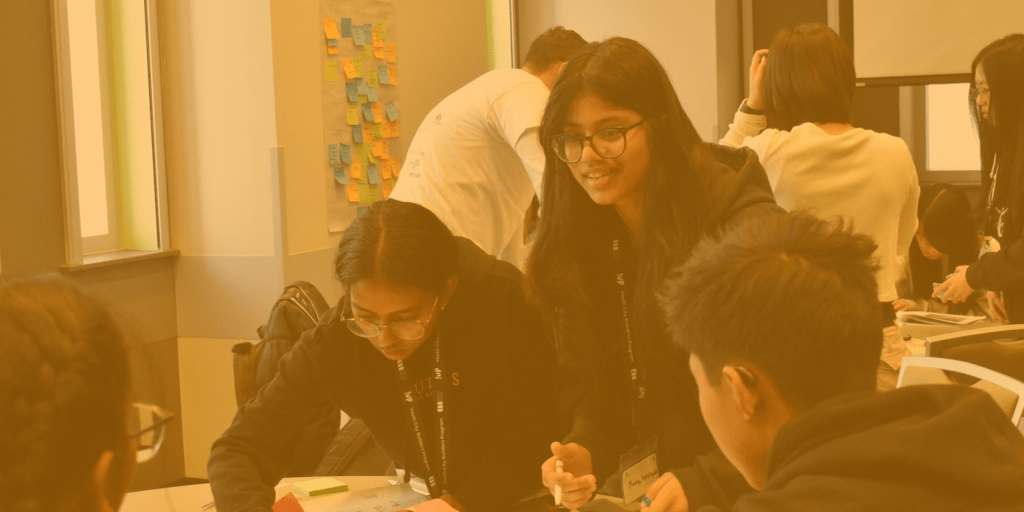
Training & Resources
We are experts at engaging youth in the consultation and design phases
of youth-facing projects and services for public and non-profit organizations.
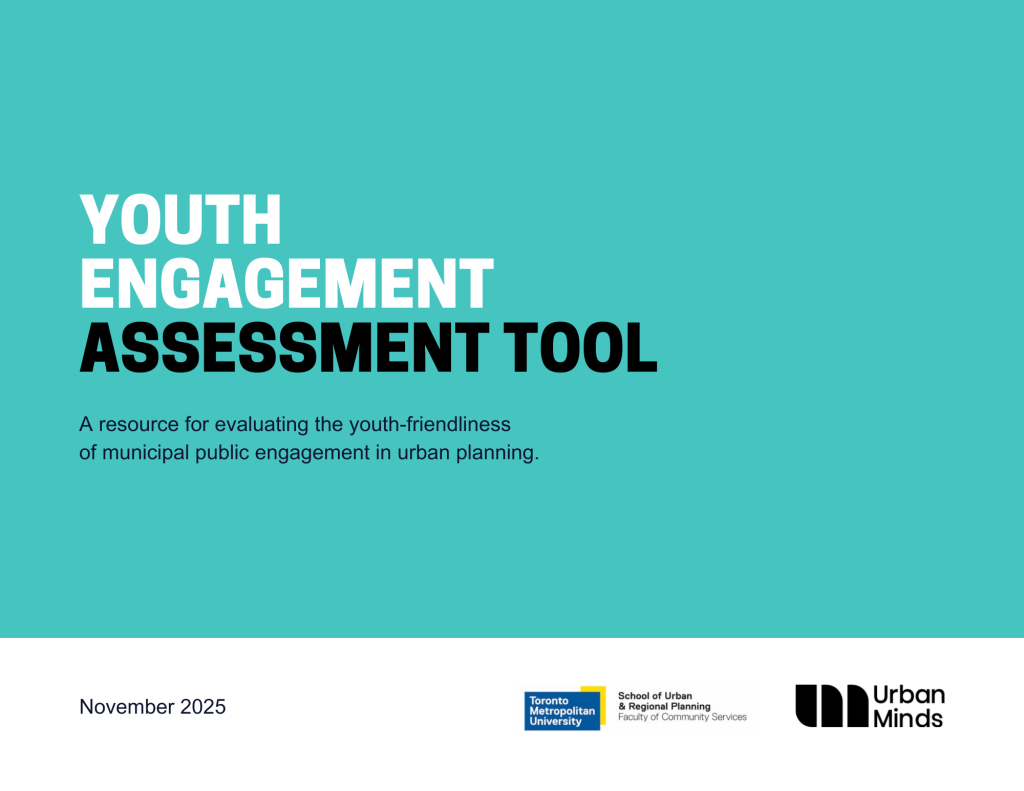
Access Our Youth Engagement Assessment Tool
Are you a planner or engagement practitioner looking to improve how your organization connects with youth?
Our Youth Engagement Assessment Tool offers concrete activities and steps to ensure youth-friendliness becomes a collective, intentional part of your work. Grounded in research and experience and adaptable to suit any team’s needs, we’ll help you understand where you are currently in engaging youth and get you to where you want to be.
Training and Speaking
With nearly a decade of experience in youth engagement, our team has presented at conferences hosted by renowned organizations including the Canadian Institute of Planners, the Ontario Professional Planners Institute, and Parks and Recreation Ontario.
We bring practical (and fun!) youth engagement strategies and lessons learned from our past projects. We can help your organization develop actionable next steps based on your mission and goals.
Invite us to speak at your next conference, lunch and learn, or professional development workshop.

Need support engaging youth? We offer Consulting, customized to your project. Learn More.
Best Practices for Youth Engagement
1. Actively bring in youth
Read More
Central to working with youth is the need to involve young participants in the work being conducted. This is an active process that involves the creation of meaningful ways for youth to participate in, manage or steer a project. This includes opportunities throughout and beyond the engagement process. Professionals should consider in what capacity youth are being brought into a project and minimize transactional or tokenistic efforts to involve young people.
2. Build engagement capacity
Read More
Planners and their allied professionals should invest in the development of urbanism and civic engagement literacy in an effort to build capacity. Capacity building efforts may be targeted at the youth themselves, or at the adults that work alongside young people.
3. Develop and leverage partnerships
Read More
Professionals working in engagement should develop and leverage a range of public, private or nonprofit partnerships. These partnerships allow planners to better connect with marginalized communities as partner organizations may be more well suited to understand the challenges facing specific communities. Investing in relationship building would yield more intricate networks of professionals and their respective organizations. In turn, this would lead to more intersectional and robust approaches to engagement with youth communities.
Challenges to Engaging Youth
1. Engagement is trust-based, consider power dynamics critically
Read More
Planners and engagement professionals should consider who is leading engagement opportunities, and how their position will be viewed and experienced by participants. Successful engagements hinge on the development of mutual trust and open communication between facilitators, organizers and participants.
2. Youth may be dependents, which limits them
Read More
Youth as participants in any engagement process may be limited by their dependency. Their agency, mobility and financial standing should be considered in the planning and design of engagement strategies. Youth in various transitional life stages may have a range of commitments (i.e. education, employment, activism, etc), which they may need to prioritize for their wellbeing and livelihood.
3. Innovative engagement strategies aren’t always favoured by the institutions doing the engagement
Read More
More innovative approaches (outlined below!) may be harder to implement. Non-traditional outputs may not be valued by traditional means of data collection and analysis. Planners should continue to explore these opportunities while finding ways to streamline data and feedback collection from less traditional engagement events. This is required to support their value and have them influence the outcomes in planning. We see many planners who are passionate about engaging youth in shaping their communities, but the firms and cities they work for don’t always see the value (We have some tips on presenting the business case for youth engagement too!).
Youth Engagement Strategies
1. Collaborating with Youth
Read More
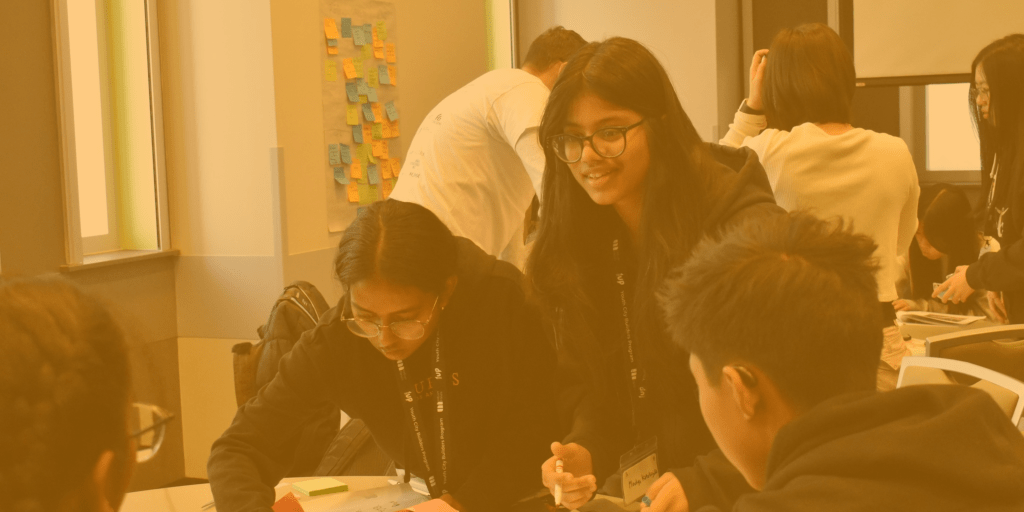
A wealth of engagement strategies exist that are appropriate and welcoming for youth. Truly collaborating with youth involves active partnership and participation between youth and facilitators. Collaboration might look like roundtable discussions, which cluster smaller groups instead of one large townhall. These allow youth to feel more comfortable speaking in front of a smaller group and gives the opportunity for a planner or city official to be sat at each table having more genuine and intimate conversations.
2. Creating with youth
Read More
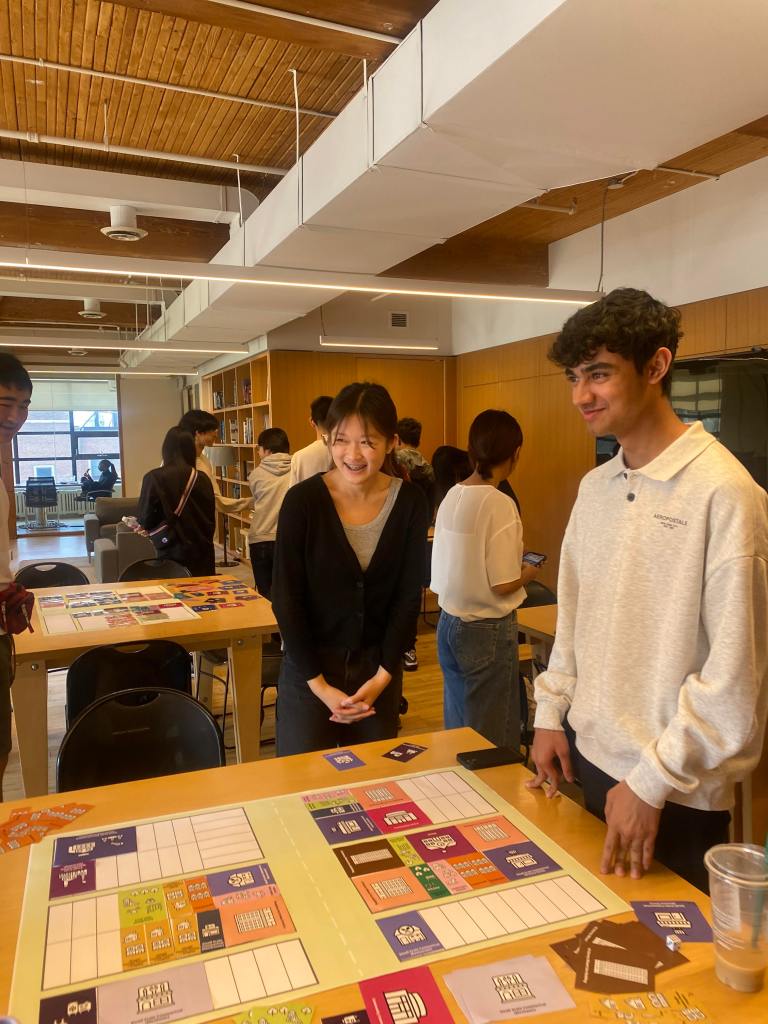
A lot of the engagement events that we hold are creative in nature. This means arts-based approaches and engagement strategies that diverge from traditional public engagement practices. These give youth the space and diverse mediums, which enables them to provide richer and more specific feedback. These approaches include creative and collaborative mapping activities, storytelling based tools like empathy-mapping, and artistic competitions.
3. Going where the youth are
Read More
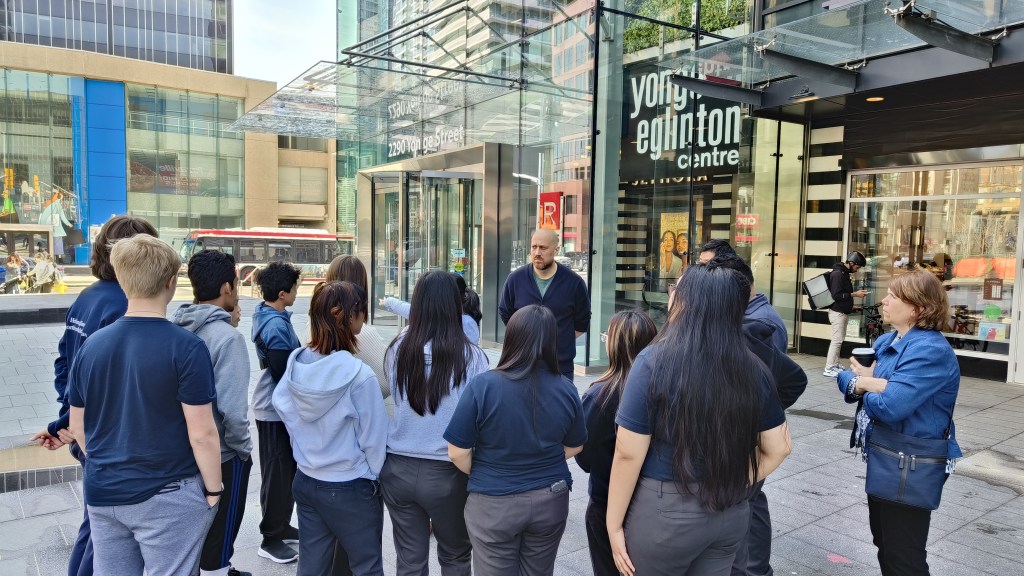
This strategy recognizes youth as local experts in their communities; these strategies shift away from doing work ’for’ youth towards doing work ‘with’ youth. Actually meet youth where they are. This might look like recruiting youth for one-on-one interviews or focus groups, doing classroom outreach at schools in the project area or create roles for Youth Navigators who can engage their peers.

Learn more about effective youth engagement strategies by exploring our past projects.
Cities for Youth Toolkit
Your guide to best practices for engaging youth in urban planning.
