

Venus Cheung, Development Coordinator
As a Master’s student in urban planning, bridging theory and practice is essential. Classroom lessons on heritage preservation, community engagement, and participatory placemaking lay the groundwork, but real-world experiences bring them to life. Shadowing a practicing planner and attending professional learning sessions have been pivotal in shaping my journey toward a career in inclusive, community-centered urban planning. Here are four reasons why shadowing a planner has been a transformative experience for me.
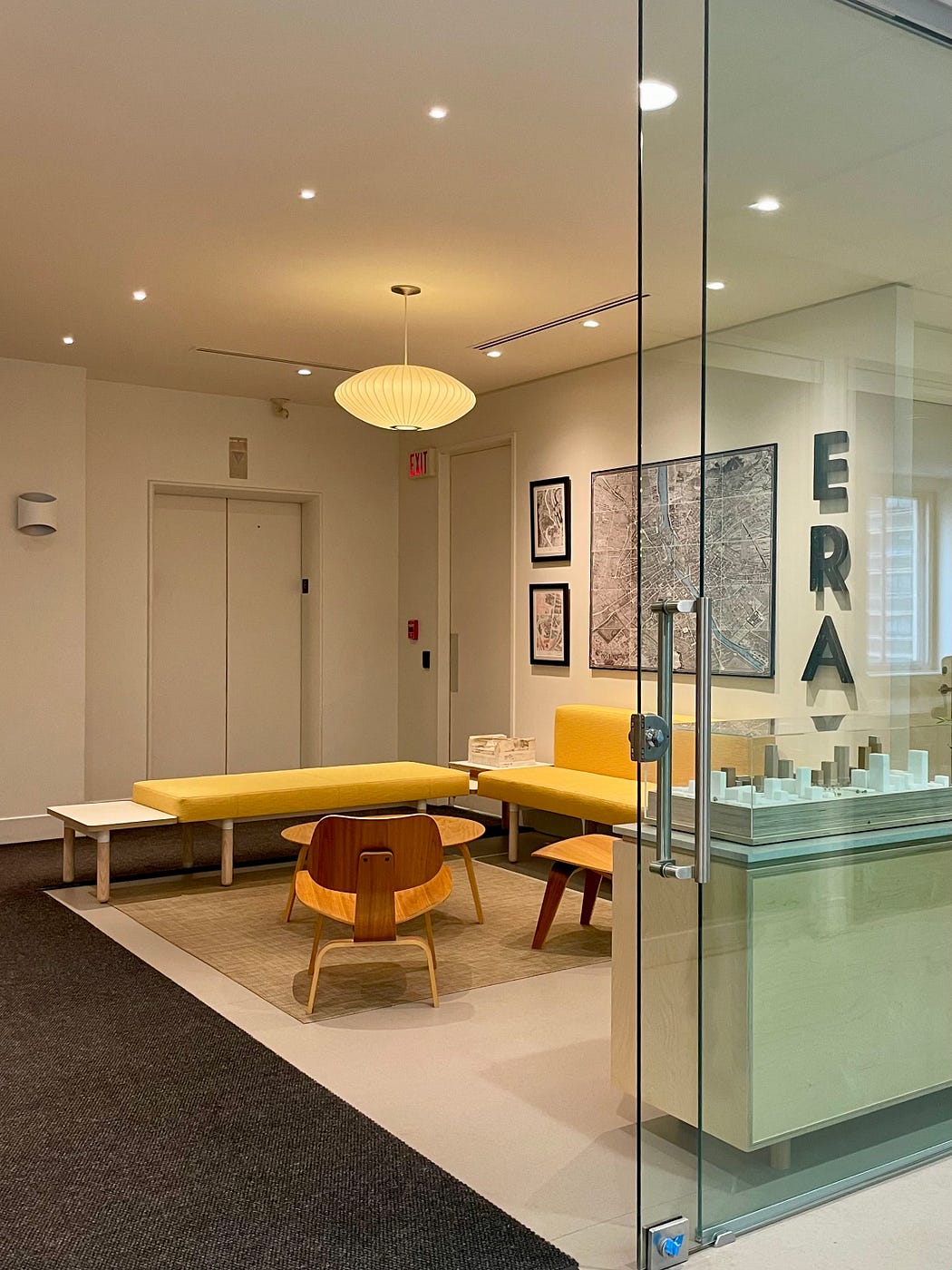
What Is Heritage Planning?
At its core, heritage planning involves the preservation and promotion of cultural and historical assets of a community. This practice examines both tangible elements (like buildings and landscapes) and intangible factors (local traditions and stories) that define a place and its identity. It’s about more than just maintaining the past; it’s about using those elements to inform and shape future growth. The term “Heritage Planning” (with a capital H) often refers to a regulated approach which some critics argue can hinder development. However, a more flexible perspective on “heritage planning” (with a lowercase h) acknowledges that development can coexist with cultural preservation.

Reason 1: Understanding the Disconnect Between Heritage and Traditional Planning
One of the most significant insights I gained from shadowing was the disconnect between traditional land-use planning and heritage planning. While the Heritage Act aims to protect cultural assets, it often lacks influence over the actual use of sites. Traditional planning governed by the Planning Act tends to take precedence, which limits the role of heritage planning to reactive measures rather than proactive preservation. Heritage planners are often involved late in the process, serving to justify design interventions after most decisions have been made. This often turns heritage considerations into a barrier rather than an integrated part of development. The experience reinforced the need for planners to be involved earlier to ensure that cultural preservation aligns with development goals. By bringing heritage planning into the conversation from the outset, we can shift from a reactive to a proactive approach, allowing for a more holistic integration of community values into urban projects.

Reason 2: Learning from Indigenous Treaty Mapping — A Deeper Perspective on Heritage
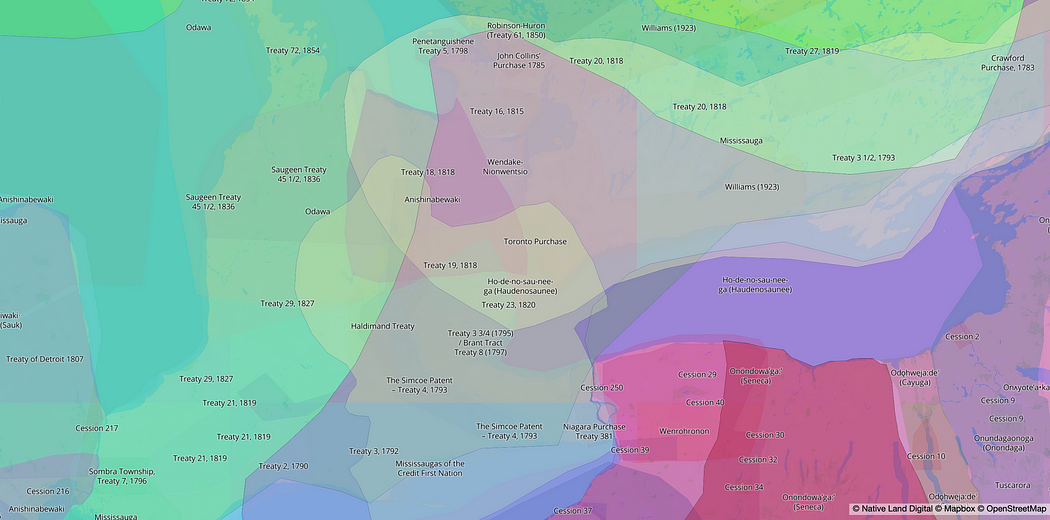
A “Lunch and Learn” session on Indigenous Treaty mapping further deepened my understanding of heritage beyond colonial frameworks. The City of Toronto’s land acknowledgment recognizes that it sits on the traditional territories of the Mississaugas of the Credit, Anishnabeg, Chippewa, Haudenosaunee, and Wendat peoples. However, the session emphasized that land acknowledgments must go beyond standardized templates — they should be personalized and reflective of genuine respect for the land and its original stewards. One of the most eye-opening insights was understanding the layered complexities of Indigenous territories, Treaties, and cultural histories within the Greater Toronto Area (GTA). For example, while the Mississaugas of the Credit have significant historical ties to the region, their current reserve lands are a fraction of their original territory, complicating their access to ceremonial practices. This highlighted the importance of acknowledging Indigenous histories in urban planning, not just as an afterthought but as a foundational aspect of planning processes. The session also shed light on how planners can collaborate with Indigenous communities, such as recognizing Spadina Avenue as a significant cultural corridor that ties various nations together in one of their projects. This aligns with the principles of participatory planning, where listening to and learning from community members enriches our approach to designing inclusive spaces.
Reason 3: Shaping My Approach to Inclusive Planning
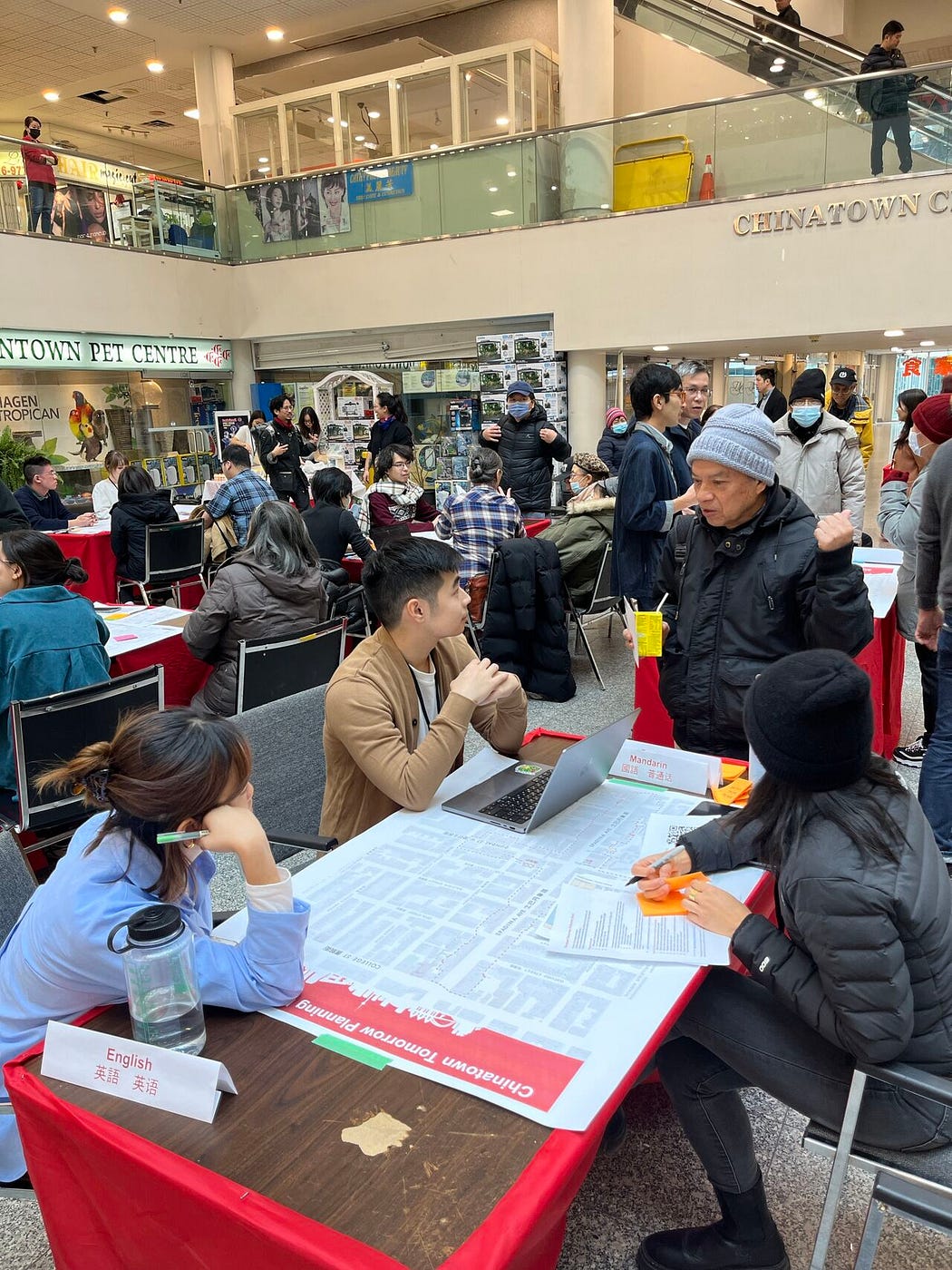
Grassroots perspectives can significantly influence cultural heritage planning. The Chinatown and Alexandra Park projects, for instance, demonstrate the value of engaging local communities early in the process. However, these case studies revealed the fragmented nature of feedback from different development projects even if the sites are next to each other, highlighting the need for planners to act as facilitators who bring these voices together. Involving communities in planning allows for the preservation of intangible heritage elements, such as the unique cultural character of neighborhoods. This aligns with my research on participatory placemaking and food security in Toronto’s inner suburbs, where listening to local stories can inform more inclusive and responsive planning strategies. By prioritizing community engagement and moving away from a purely legalistic approach, planners can better capture the essence of what makes neighborhoods like Chinatown and Alexandra Park special. This “ground-up” approach, which embraces the lived experiences of residents, is essential for creating spaces that are not only functional but also reflective of their cultural and historical contexts.
Reason 4: Balancing Competing Interests in Heritage Conservation
One of the most challenging aspects of planning is finding the balance between development pressures and heritage conservation. During my shadowing experience, I learned about mitigating the impact of development on heritage sites, such as the Humber River. The discussion of Heritage Conservation Districts (HCDs) revealed that while they serve an important legal function, they often miss the mark in capturing what truly matters to communities. Instead, a flexible, grounded theory approach — where planners learn directly from community members and adapt their strategies accordingly — can lead to better outcomes. This approach is not just about preserving buildings but about honoring the intangible cultural layers that give neighborhoods their identity.
Reflections on My Urban Planning Journey
One of the most challenging aspects of planning is finding the balance between development pressures and heritage conservation. During my shadowing experience, I learned about mitigating the impact of development on heritage sites, such as the Humber River.
By embracing a collaborative and participatory approach, I hope to contribute to creating urban spaces that honor cultural heritage while fostering inclusivity and resilience. This journey from theory to practice has deepened my appreciation for the complexities of urban planning, and I am excited to carry these lessons into my future career.


Leave a comment